We tested every "free" AI agent option. Most of them aren't free. Here's what you actually get at $0.
A founder in our community told us she'd spent three weekends "setting up a free AI agent." She'd started with CrewAI because it's open source. Hit a wall at the Docker configuration. Switched to OpenClaw because the docs looked more complete. Got the agent running on a $7/month Hetzner VPS after six hours of setup. Then spent the next Saturday morning patching a security vulnerability she found out about from a Reddit thread.
Here's the part that made me wince. When I asked her what the total cost was, she said "zero, it's all free." She wasn't counting the VPS. She wasn't counting the three weekends. She wasn't counting the security patch she nearly missed.
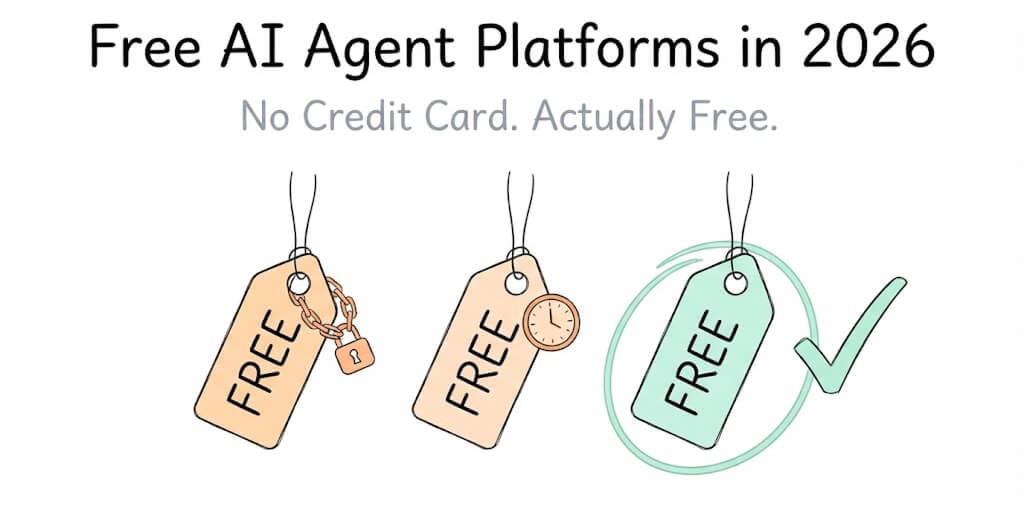
The word "free" in the AI agent space means at least three different things, and two of them cost real money. This post breaks down what you actually get at $0 from every major platform, so you can pick the one that matches your definition of "free" before you commit a weekend to finding out the hard way.
"Free software" vs "free trial" vs "free plan" and why it matters
Before the comparison table, you need this framework. Every platform in the AI agent space that uses the word "free" falls into one of three categories.
Free software, self-hosted. The code is open source. The license costs $0. But you need infrastructure to run it: a VPS ($4-50/month), Docker, DNS configuration, SSL certificates, and ongoing security maintenance. The honest all-in comparison for self-hosting shows $6/month infra cost at the low end, plus 30 to 60 minutes of initial setup and roughly 30 minutes of patching per month. At $50/hour opportunity cost, self-hosting runs about $48/month once you factor in time. That's "free" the way building your own furniture is free.
Free trial, credit card required. A 7 or 14-day window where you get full access, followed by automatic billing. These aren't free plans. They're paid plans with a grace period and a bet that you'll forget to cancel.
Free plan, no credit card, stays free. A permanent tier that doesn't expire, doesn't require payment information, and includes enough functionality to actually do something useful. This is what most people mean when they search "free AI agent."
The question isn't which platforms are free. It's which platforms let you build and run a working agent at $0, right now, without a VPS, a credit card, or a countdown timer.
The comparison table (worth saving)
| Platform | Type of "free" | Credit card? | Setup time | Hosting included | Ongoing maintenance | Real monthly cost |
|---|---|---|---|---|---|---|
| BetterClaw | Free plan | No | ~60 seconds | Yes (managed) | None (automatic) | $0 + LLM API (~$2-10) |
| OpenClaw | Free software | No (but VPS does) | 4-8 hours | No (you host) | Security patches, updates | $5-50/mo VPS + LLM API |
| Hermes | Free software | No (but VPS does) | 30-60 min | No (you host) | Patches, restarts | $4-7/mo VPS + LLM API |
| CrewAI | Free software + free cloud tier | No | Hours (Python) | Self-host, or AMP cloud | Code maintenance | Hosting + LLM API |
| n8n | Free software | No | Hours | No (self-host) | Server admin | $0-24/mo + LLM API |
| Gumloop | Free credits | No | ~5 min | Yes | None | $0 (2,000 credits) |
| MindStudio | Free runs | No | ~5 min | Yes | None | $0 (1,000 runs/mo) |
| Lindy | Paid only | Yes | ~10 min | Yes | None | $49.99/mo minimum |
Notice the pattern. The platforms with the largest GitHub star counts (OpenClaw 230K, Hermes 95K, CrewAI 47K) are all free-software options where the license is free but the hosting, setup, and maintenance are your responsibility. The managed platforms with actual free tiers (BetterClaw, Gumloop, MindStudio) have smaller ecosystems but zero infrastructure overhead.
BetterClaw: the managed free plan
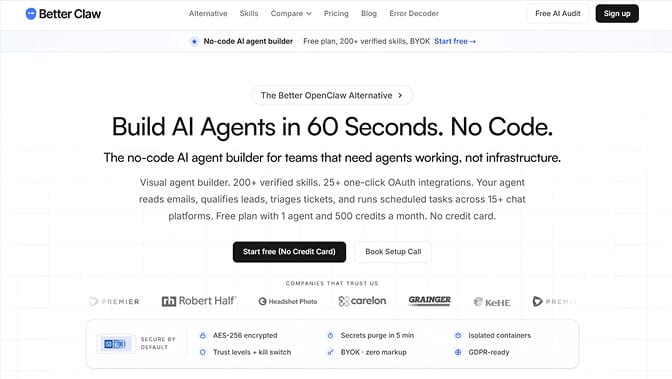
BetterClaw's free plan is a permanent tier with no credit card, no expiration, and no feature gates. You get one autonomous agent with 500 credits per month on fully managed infrastructure, with visual builder access, OAuth integrations, verified skills, persistent memory, trust levels, secrets auto-purge, and isolated Docker containers. Because it is a no-code AI agent platform, all of that is configured in the browser rather than on a server you rent and patch yourself.
The only requirement is BYOK: you bring your own LLM API key from OpenAI, Anthropic, Google, or any of the 28+ supported providers. BetterClaw adds zero markup on inference, so you pay the model provider directly at their published rates. For light usage on a budget model, that's typically $2 to $10 a month.
What makes this different from the other free tiers: it's both free and managed. You don't provision a server. You don't install Docker. You don't configure SSL. You don't patch security vulnerabilities. The platform handles all of that, and the free tier includes the same infrastructure as the paid tiers.
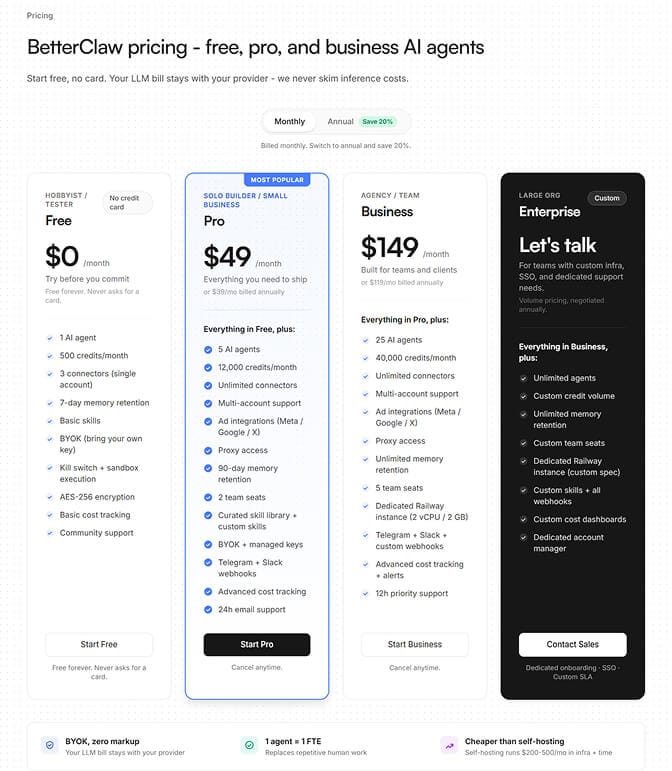
For the full breakdown of what's included, the BetterClaw free plan page has the current details.
OpenClaw: free software, real hidden costs
OpenClaw is the largest open-source AI agent framework with 230,000+ GitHub stars, 44,000+ forks, and a massive community. The software is MIT-licensed. You can download, install, and configure it for $0.
But then something clicked. We ran the actual cost of running OpenClaw as an always-on agent over six months, and the "free" part dissolved pretty fast.
VPS cost: $5 to $20 per month for a basic instance that keeps the agent responsive. You can run it on a Raspberry Pi for $1 to $5 in electricity, but a Pi with 4GB of RAM is sufficient only for basic conversational tasks and will struggle with anything involving browser tools, multiple skills, or local models.
Setup time: 4 to 8 hours for a first-time install. Docker, Node.js, environment variables, DNS, SSL, smoke tests.
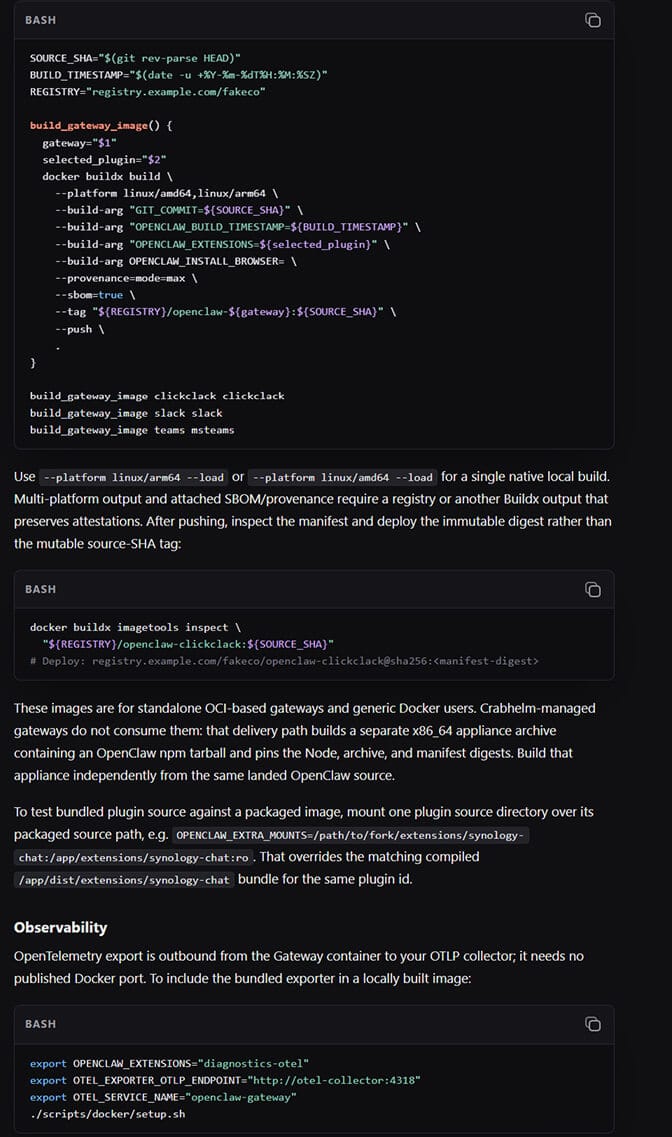
Ongoing maintenance: real ongoing tasks across a year include roughly 30 minutes per month for security patches, OS updates, Docker updates, restart cycles, and the occasional debugging session when something breaks after an update.
Security risk: CVE-2026-25253 was a one-click remote code execution vulnerability (CVSS 8.8). The ClawHavoc campaign planted 1,400+ malicious skills on ClawHub. CrowdStrike published a full enterprise security advisory. 500,000+ instances were found running on the public internet without authentication. On a managed platform, security patches are automatic. On self-hosted OpenClaw, the window between disclosure and your patch is however long it takes you to notice.
Total actual cost: $0 software + $5-50/month VPS + 4-8 hours initial setup + ~6 hours/year maintenance + your own LLM API costs. The software is free. Running it is not.
Hermes: lighter than OpenClaw, still self-hosted

Hermes by Nous Research is a newer, separate framework (not an OpenClaw fork) that hit 95,000+ GitHub stars in its first seven weeks. It's MIT-licensed, installs with a single curl command, and emphasizes a self-learning skill system where the agent turns repeated workflows into reusable procedures.
Setup is genuinely faster than OpenClaw. A budget deployment using Hetzner and DeepSeek V4 costs approximately $6 to $8 per month total. A premium setup with Claude Sonnet on a beefier VPS runs $30 to $80.
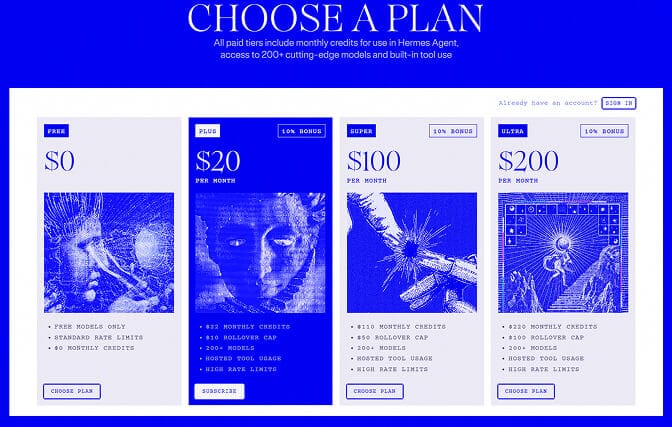
Here's the honest part. Hermes has better security defaults than OpenClaw out of the box, a cleaner install experience, and genuinely interesting self-learning capabilities. But it's still self-hosted. You still need a server. You still manage updates. And the agent stops when your laptop sleeps unless you're running it on a VPS that you're paying for monthly.
Total actual cost: $0 software + $4-8/month VPS + 30-60 minutes setup + ongoing maintenance + LLM API costs.
If the comparison so far is making the "just set it up on a VPS" path sound less free than it looked, that's the honest version of the math. We built BetterClaw specifically because the gap between "free software" and "free to run" kept eating our weekends. If you want a managed agent that's genuinely free to start with zero infrastructure work, the free plan is the path. One agent, managed hosting, no credit card, 60-second deploy.
The other platforms worth knowing about
CrewAI (47K+ stars) is a Python multi-agent framework. The open-source version is code-first: you write Python, define agent roles and tasks, and run it somewhere you host. CrewAI also offers a free managed cloud plan on AMP with 50 executions per month, no credit card required. The Professional plan at $25/month doubles that to 100 executions and adds a team seat. Best for developers who want fine-grained control over multi-agent architectures, with a managed upgrade path when they're ready.
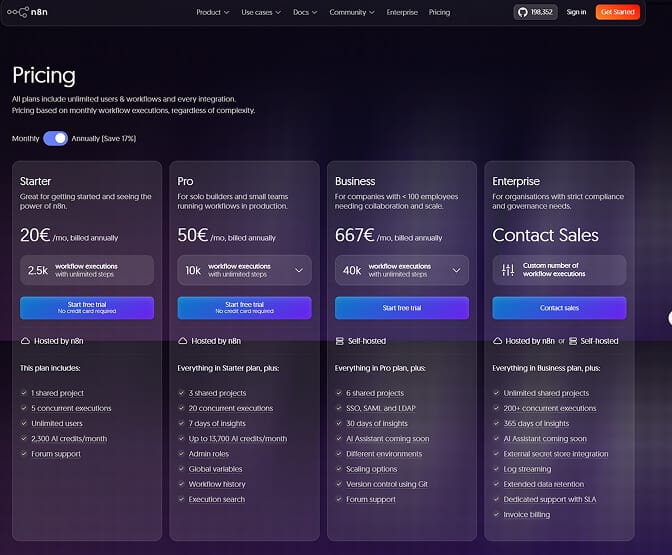
n8n is open-source workflow automation with 400+ built-in integrations (1,000+ including community nodes). Cloud starts at $24/month. n8n 2.0 added 70+ AI nodes and LangChain integration, making it the most capable workflow tool for AI-adjacent tasks, but it's workflow automation, not an autonomous agent platform. No persistent agent memory, no trust levels, no approval gates.
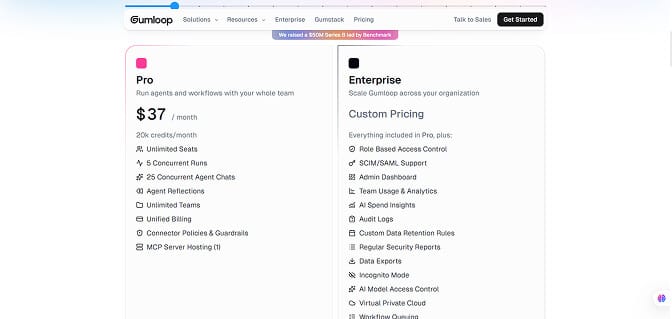
Gumloop offers 2,000 free credits on a managed platform with a visual builder. Enterprise-focused (Shopify and Instacart use it). The credit model means free usage is capped by credits rather than features, so the ceiling depends on how token-heavy your workflows are.
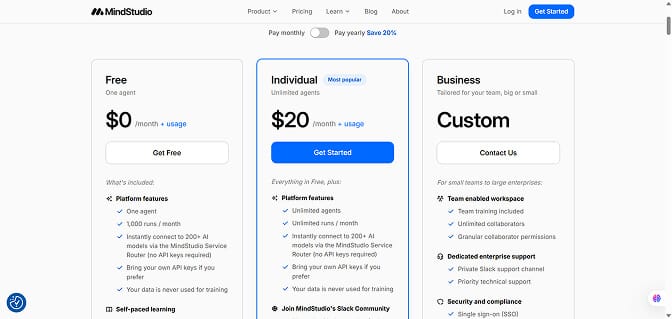
MindStudio gives 1,000 free runs per month. Good for prototyping. The free tier is real, but each "run" is a single agent execution, so complex multi-step workflows consume runs faster than simple ones.
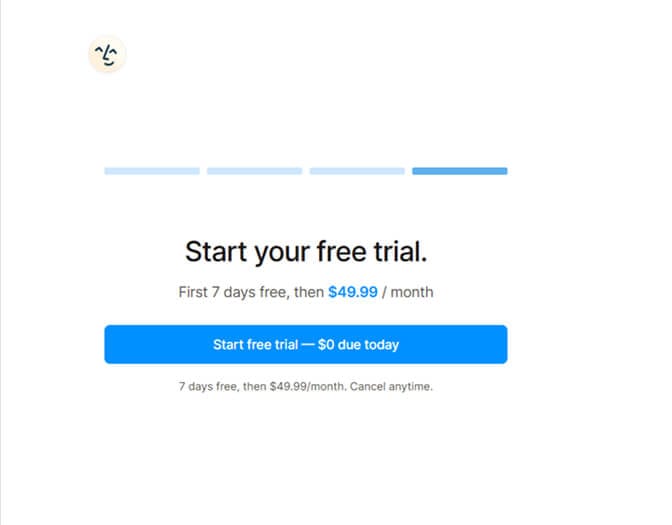
Lindy does not have a free plan. Pricing starts at $49.99/month. It's a strong no-code platform, but it's not really in this comparison because the search query is specifically about free options.
For a deeper look at how these cost structures compare once you scale past a free tier, our AI agent cost breakdown covers every major platform's paid pricing in detail, including the LLM token costs that apply regardless of which platform you choose.
Which free option fits who
You're non-technical and want an agent running today → BetterClaw free plan (managed, visual builder, 60-second deploy) or Gumloop free credits (managed, visual). Both get you a working agent without touching a terminal.
You're a developer who wants maximum control → OpenClaw or Hermes on a $5-7/month VPS. The software is free, the setup is your project, and you own every piece of the stack. Hermes if you want a faster install and self-learning skills. OpenClaw if you want the larger ecosystem and 100+ built-in skills.
You're evaluating before committing to a platform → Start with BetterClaw's free plan (no credit card, no time limit) or Gumloop's 2,000 free credits. Both let you test real workflows without infrastructure commitment. If you outgrow them, you've already learned what your agent needs before paying for it.
You need Python-level control over multi-agent systems → CrewAI (free, open source, requires Python and hosting) or LangGraph (free, steepest learning curve, maximum flexibility). Neither includes hosting or a GUI, but both give you complete control over agent architecture.
For context on how the token costs that apply regardless of platform play out at scale, our guide to cutting agent token costs covers model routing, prompt caching, and context compression in detail. And if you're already running agents and want to understand how their configuration affects both cost and reliability, our SOUL.md and AGENTS.md guide covers the instruction-file mechanics that apply across all three platforms.
The honest takeaway
"Free" in the AI agent space is a spectrum, not a binary. On one end, open-source frameworks give you free software and full control at the cost of your time and a monthly hosting bill. On the other end, managed platforms give you free plans with zero infrastructure overhead at the cost of platform limits and less control.
The right choice depends on what you're optimizing for. If it's learning and control, self-host. If it's time and simplicity, use a managed free tier. If it's cost above everything, the $6/month Hermes-on-Hetzner stack is the absolute floor for a self-hosted agent that's actually usable.
What nobody should do is confuse "free software" with "free to run." Those are different things, and the gap between them is where the weekends go.
See what a managed free plan actually includes
No credit card. No time limit. One agent, managed hosting, every feature. Your first deploy takes about 60 seconds, and Pro at $49/month for 5 agents is there when you need more than one. Start free → No credit card · 200+ verified skills · 25+ integrations · Deploy in ~60 seconds
Frequently Asked Questions
Which AI agent platforms are genuinely free in 2026?
Three types of "free" exist. BetterClaw, Gumloop, and MindStudio offer managed free plans with no credit card and no expiration. OpenClaw, Hermes, CrewAI, and n8n are free open-source software that requires self-hosting on a VPS ($4-50/month). Several platforms offer free trials with a credit card required and automatic billing after the trial ends. The distinction between "free software" and "free to run" is the single most important thing to understand before choosing.
How does OpenClaw's "free" compare to BetterClaw's free plan?
OpenClaw's software is free (MIT license) but requires a VPS ($5-50/month), Docker, 4-8 hours of initial setup, and ongoing security maintenance. BetterClaw's free plan includes managed hosting, automatic security updates, and a 60-second deploy with no infrastructure management. OpenClaw gives you unlimited agents and full control. BetterClaw gives you one agent with zero overhead. The tradeoff is control versus convenience.
How long does it take to set up a free AI agent?
On managed platforms (BetterClaw, Gumloop): 1 to 5 minutes, since hosting and configuration are handled for you. On Hermes self-hosted: 30 to 60 minutes for a basic VPS install. On OpenClaw self-hosted: 4 to 8 hours for a first-time Docker-based deployment. On code-first frameworks (CrewAI, LangGraph): hours to days depending on the complexity of the agent you're building.
What is the true monthly cost of a "free" self-hosted AI agent?
The software license is free, but the infrastructure is not. A budget self-hosted setup (Hermes on Hetzner with DeepSeek) costs approximately $6 to $8 per month. A mid-range OpenClaw deployment runs $15 to $30 per month. Both require additional LLM API costs of $2 to $60 depending on model choice and usage volume. A managed free plan like BetterClaw's costs $0 in platform fees plus $2 to $10 in direct LLM API costs.
Is a free AI agent plan limited enough that I'll need to upgrade quickly?
It depends on your use case. BetterClaw's free plan covers one agent with 500 credits per month, managed hosting, and every feature, which handles most individual productivity workflows (email triage, Slack summarization, lead qualification). Gumloop's 2,000 free credits cover initial testing and light ongoing use. Self-hosted options (OpenClaw, Hermes) have no platform limits at all, only infrastructure costs. You'll upgrade when you need more agents, higher volumes, or premium support, not because the free tier expires.